

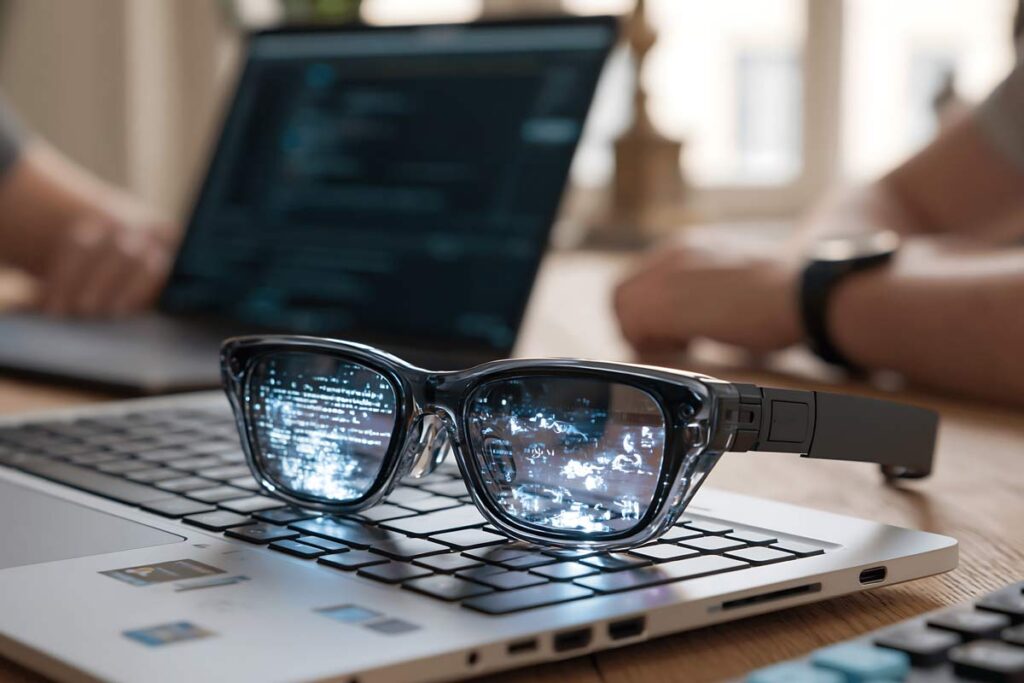
Artificial intelligence is no longer limited to computers and smartphones. AI-enabled “smart glasses” are becoming increasingly accessible to consumers and, with them, a new set of legal and practical issues is entering the workplace. Modern smart glasses can record audio and video, capture images, and, in some instances, transmit information to artificial intelligence platforms for processing and analysis. While these devices may offer legitimate workplace benefits, their use can also create significant concerns for employers involving privacy, confidentiality, employment law, and data security.
One immediate concern is workplace recording. State laws differ regarding whether one or all parties must consent to an audio recording. An employee wearing smart glasses could potentially record co-workers, customers, meetings, or conversations without those individuals realizing that a recording is taking place. Employers must also consider whether existing workplace policies governing cameras, recordings, and electronic devices adequately address wearable technology.
Confidentiality presents another concern for employers and other employees. Smart glasses may capture computer screens, documents, customer information, trade secrets, medical information, or other sensitive materials. When AI functionality is involved, information may also be transmitted outside the employer’s systems to a third-party technology provider. Employers should understand where that information goes, how it is stored, and whether its transmission complies with applicable confidentiality and data-security obligations.
At the same time, a blanket prohibition may not be appropriate in every workplace. Depending upon the circumstances, employee recording may implicate rights under federal labor law, and wearable technology could potentially be requested as a reasonable accommodation for a disability. Employers should therefore consider addressing smart glasses as part of their existing workplace technology and AI policies. Policies may identify when wearable recording devices are prohibited, establish approval procedures for business uses, restrict recording in confidential areas, and address the transmission of company information to outside AI platforms.
As wearable AI technology becomes more common, employers should address these issues before smart glasses create an unexpected privacy, personnel, or confidentiality dispute. For help navigating, the role of “smart glasses” and other AI’s impact on the workplace, please contact Porter Thomas Grabell & Baumwoll, P.C.
